





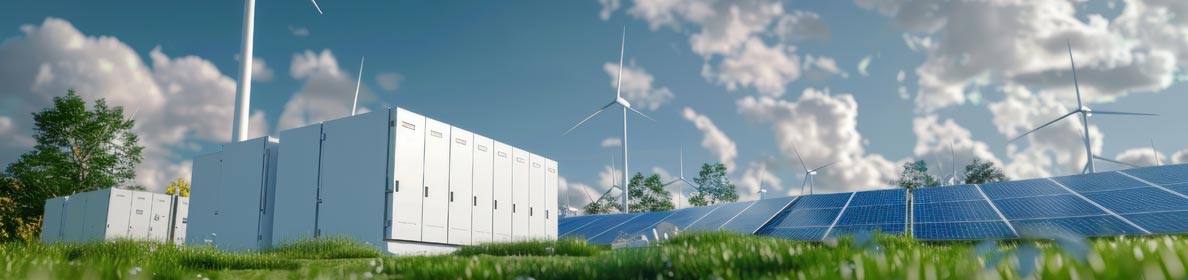
Energy Technology Solutions
Battery energy storage systems (BESS) store electricity and deliver it when generation and demand do not align. These stationary energy storage systems integrate rechargeable battery cells and modules with power conversion, controls, thermal management, and protective enclosures. BESS supports renewable energy integration, grid balancing, peak-demand management, backup power, microgrids, and resilient EV charging infrastructure. As electrification increases power demand across transportation, buildings, connected devices, and data-intensive infrastructure, reliable energy storage becomes increasingly important. Boyd combines engineered materials, thermal management, and precision manufacturing to help protect critical BESS interfaces from heat, electrical faults, environmental exposure, vibration, and mechanical stress—supporting safer, more reliable energy technology solutions.
Streamlined, Multi-Functional Solutions

Quick Design Cycles and Fast Prototyping

Greater Design Flexibility
What Are Energy Technologies and Why Do They Matter?
Battery energy storage systems (BESS) are central to modern energy infrastructure, storing electricity for use when generation and demand do not align. They support renewable energy integration, peak demand management, backup power, microgrids, and grid resilience. These systems depend on reliable protection for cells, modules, racks, power electronics, and enclosures. Boyd combines engineered materials and advanced manufacturing to address critical BESS interfaces while supporting the wider energy ecosystem. Related solutions help protect renewable energy equipment, power generation and distribution systems, microgrids, and EV charging infrastructure from heat, electrical faults, environmental exposure, vibration, and mechanical stress.Energy Technology Applications
Boyd supports energy generation, conversion, distribution, storage, and charging applications with engineered materials. Key applications include battery energy storage systems, renewable power equipment, microgrids, power electronics, grid infrastructure, and EV charging systems. BESS remains a primary focus because it connects renewable generation, resilient power, and reliable energy delivery.왜 배터리솔루션에 Boyd를 선택해야 할까요?

Our lightweight, high performance sealing solutions help you design larger batteries with greater power density.

우리는 배터리가 열악한 환경 및 도로 조건을 견딜 수 있도록 견고하게 하여 에너지 저장 및 수명이 긴 EV 배터리를 지원합니다.

당사는 간소화된 고객 조립, DFM(제조 설계) 처리량 및 자재 최적화를 위한 솔루션을 설계합니다.
EV 배터리팩을 위한 BOYD의 차별점
우리는 안전과 신뢰성을 알고 있습니다. 또한 응용 분야의 전력 밀도, 에너지 활용, 복구 및 효율성을 극대화하는 전문가이기도 합니다. 우리는 60년 이상 운송, 항공 우주 및 방위 시장을 위한 설계 및 제조 지원의 최전선에 있는 신뢰성과 안전이 입증되었으며, 혁신을 통해 기술을 더 가볍고 컴팩트하게 만들었습니다. 또한 이러한 유산을 첨단 산업 경험의 혁신적인 제조 공정, 재료 및 기술과 결합하여 EV 배터리 팩 구성 요소 설계 및 기술을 안전하고 효율적으로 개선하고 있습니다.열 폭주의 세 가지 주요 원인과 예방 방법
대본 보기
Maximize BESS Performance with Boyd’s Sealing Technologies
(대본 보기)
Boyd의 배터리 유산
- Proven experience producing high-volume battery sealing and protection components
- 2 million + eMobility battery component installations
- 60년 이상 현장에서 입증된 성능과 운송, 항공우주 및 방위 응용 분야에서 10억 개 이상의 유닛이 출하되어 안전이 주요 관심사인 시장에서 신뢰할 수 있는 신뢰성을 제공합니다.
Ruggedize BESS Enclosures for Demanding Environments
Battery energy storage systems may operate outdoors, in industrial facilities, at renewable generation sites, or in remote locations. Enclosures must withstand rain, dust, humidity, temperature cycling, UV exposure, vibration, and repeated service access. Custom perimeter seals and gaskets, or enclosure seals or housing gaskets, protect cabinet doors, lids, access panels, and service interfaces against environmental ingress while supporting compression-set requirements, enclosure tolerances, and maintainability.EV 배터리 및 에너지 저장 리소스


Manage Cell Swelling and Stack Pressure with Compression Pads
Prismatic cells expand and contract through charge cycling and aging. Without controlled compression, dimensional change can create uneven stack pressure, mechanical stress, and movement within the module. Boyd compression pads fit between prismatic cells to accommodate swelling, manage tolerance variation, maintain targeted stack pressure, and cushion vibration. Pads can be engineered for thickness, force-deflection behavior, compression set, and integration with adjacent dielectric or thermal-barrier layers.

Electrical Isolation Across the BESS Assembly
Dielectric films and barriers electrically isolate cell faces, module covers, busbars, and enclosure clearances without consuming unnecessary space. Custom electrical insulators protect terminals, support busbars, and isolate fasteners to maintain critical clearances and reduce the risk of shorts or arcing. Converted components can combine films, adhesives, and cushioning layers for reliable placement and simplified assembly.Control Heat, Ejecta, and Propagation with Integrated Barriers
A layered protection strategy helps manage the consequences of a cell failure. Thermal barriers between cells or modules slow heat transfer and propagation. Blast barriers positioned above cell vents help retain fragments and redirect hot ejecta toward intended vent paths. Insulation blankets under lids and near vent-facing zones provide transient heat shielding for enclosure surfaces, electronics, and adjacent modules. Material selection and placement should align with cell format, vent direction, electrical clearances, enclosure architecture, and qualification requirements.
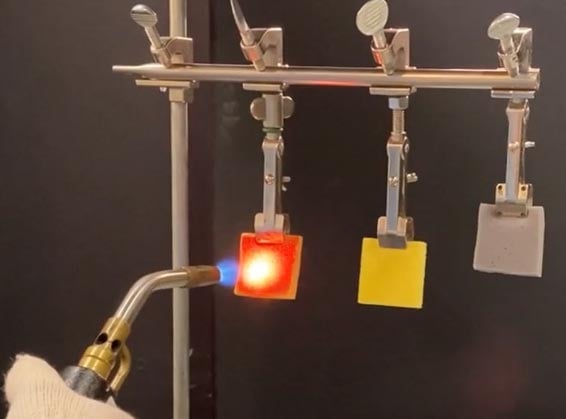
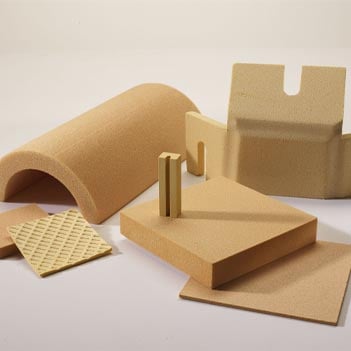
SOLIMIDE® 배터리 절연 및 보호
SOLIMIDE®극한의 고온 및 저온 모두에서 최고의 성능을 유지할 수 있는 내화성, 초경량, 무독성 폼입니다. 그것은 예외적으로 난연성이며 많은 중요한 응용 분야에서 화염 장벽으로 사용됩니다. SOLIMIDE®는 화염에 지속적으로 장기간 직접 노출되면 발화하거나 연소하지 않으며 독소가 없고 연기가 거의 없습니다. 압축성 및 진동 감쇠와 같은 전통적인 폼 성능 특성을 제공합니다. 또한 가수분해 안정성이 높아 위킹이 없어 물이나 물의 무게를 유지하지 않고 액체에 장시간 노출되어도 견딜 수 있습니다. 배터리 팩에 적용하면 배터리 팩 수준에서 2차 화재 방지 역할을 하여 화염과 화재를 차단하고 기계적 진동과 소음을 모두 흡수하여 더 안전하고 조용하며 안정적인 배터리를 제공합니다.
리튬 이온 배터리 열 런어웨이 방지
Good temperature management of lithium-ion battery cells with additional back up safety features help to prevent battery thermal runaway events or respond safely and swiftly if they occur. Thermal runaway prevention starts with optimized design but also requires components that protect against thermal runaway propagation. Multi-functional, complex battery component solutions designed for cell-to-cell application absorb impact, vibration and movement, dissipate cell heat, and act a flame or heat barrier and isolator if a catastrophic event were to occur. Enable your designs to proactively and safely prevent thermal runaway events by managing vibration, movement and friction, and quickly isolate extreme heat or fire in the unlikely event battery safety design features fail to prevent cell-to-cell propagation. Highly integrated thermal runaway prevention assemblies feature heat spreaders with compression pads and flame-rated electrical insulation to isolate li-ion battery cells. Prevent, protect, and isolate battery storage thermal runaway and EV battery thermal runaway.

환경 노출을 견딜 수 있도록 배터리를 견고하게 구축
(대본 보기)
How to Protect EV Batteries Against Collision and Thermal Runaway
(대본 보기)
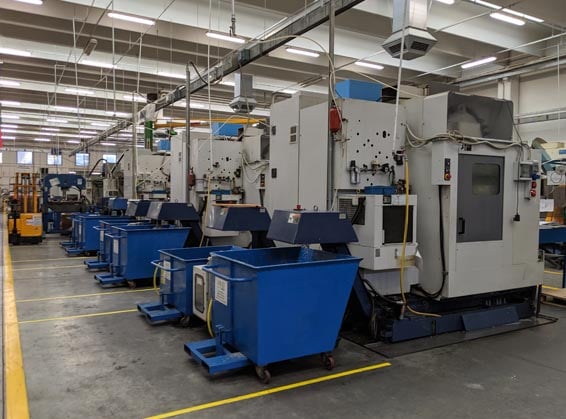
글로벌 네트워크 및 로컬 지원
Boyd maintains nearly 20 ISO 9001 and nine multiple IATF 16949 certified manufacturing operations across three continents to assure our energy storage and eMobility components exceed the rigorous demands for quality management systems with adept regional support. Boyd’s customer focus and relationship management culture are aligned with the most demanding QMS system processes. By optimizing processes, organization, and efficiency, we reduce costs and increase yield rates with effective management and assembly processes, all while providing our customers with the highest quality products.미래의 지속가능성 규정 해결
Boyd의 전 세계적으로 이용 가능한 지역 내 ISO 14001 인증 제조 운영 및 eMobility, 전기 자동차, 하이브리드 전기 자동차, 자율성 및 에너지 저장 혁신가와의 오랜 파트너십은 엄격한 안전 및 지역 환경 요구 사항을 초과하고 변화하는 소비자 요구를 예측하며 미래의 지속 가능성 규정을 해결하는 방법에 영향을 미칩니다.

EV 배터리 및 에너지 저장의 이점:
전기 자동차에 대한 빠른 배터리 충전을 위한 에너지를 수집합니다.
더 나은 가격을 위해 낮은 수요 시간에 에너지를 구입하십시오.
특히 병원 및 데이터 센터와 같은 중요한 위치 및 시스템에 비상 소비를 위해 에너지를 저장합니다.
풍력 발전 단지 또는 태양열 발전소와 같은 지속 가능한 에너지원의 전력 생산의 신뢰성을 향상시킵니다.
특히 피크 작동 시간 동안 그리드 생산 및 수요의 균형을 맞추수 있습니다.
EV 배터리 및 에너지 저장 과제:
지원 장비 및 보호 재료는 배터리 셀에 사용할 수 있는 부피를 줄이고 에너지 밀도를 줄입니다.
Renewable on-site energy storage systems are located at solar or wind farms, which can be in remote locations. This can limit system maintenance and requires highly reliable systems for ongoing usage.
EV 배터리는 비상 시 송신 시간을 늘리기 위해 충돌 방지 및 내화성 물질을 포함하는 승객 안전에 대한 까다로운 안전 기준을 충족해야 합니다.
Every gram counts in extending EV battery range, so protection must use lightweight, yet reliable solutions.
Boyd의 15년 이상의 배터리 전문 지식을 활용하여 제품을 개선하십시오.
알아야 할 주요 배터리 및 에너지 약관

| 용어 | 정의 |
|---|---|
| 물개 및 개스킷 | 배터리 팩, 배터리 모듈 및 배터리 커버를 온도 영향, 공기, 먼지 및 물 침투로부터 밀봉하십시오. 성능, 방수 및 밀봉을 최적화하면서 압축 변형 및 힘 편향, NVH 및 기타 기계적 요인을 고려합니다. |
| 벤팅 필름 및 씰 | 내부 배터리 조립 또는 압축 압력, 습기 및 기타 환경 요인을 제어합니다. |
| EMI 차폐 | 원치 않는 외부 전자파를 차단하여 배터리 팩 및 모듈의 전자 오작동 감수성을 줄입니다. |
| 다층 열 런어웨이 보호 | 고온, 내화성 폼 및 필름은 배터리 셀과 모듈 사이의 화염을 차폐, 차단 및 억제합니다. |
| 압축 및 공차 패드 | 배터리 셀 허용 오차 스택의 확장 및 축소와 온도 사이클링을 관리합니다. |
| 전기 절연 및 셀 래핑 | 절연층은 배터리 셀과 모듈을 감싸 장치 단락 또는 화재로 이어질 수 있는 내부 중요 구성 요소 사이의 스파크 전압을 방지합니다. |
| 부스바용 유전체 접착제 | 배터리 어셈블리의 플렉시블 인쇄 회로를 보호하여 장치 수명을 연장합니다. |
| 열 인터페이스 재료(TiM) | 냉각판과 배터리 모듈 사이의 열 전달을 용이하게 하여 민감한 구성 요소에서 열을 멀리 이동시킵니다. TIM은 계면으로 들어오고 나가는 열 흐름의 저항을 최소화하는 데 도움이 됩니다. |
| 셀투셀 본딩 | 감압 접착제는 파우치와 각형 셀을 함께 접착하여 배터리 팩 어셈블리의 구조적 무결성을 향상시킵니다. |
Energy Technology and BESS FAQs
What is a battery energy storage system (BESS)?
A battery energy storage system (BESS) stores electrical energy in rechargeable batteries and delivers it when needed. A typical BESS integrates battery cells and modules with power conversion, thermal management, controls, and protective enclosures to support renewable energy integration, peak-demand management, backup power, microgrids, and grid resilience.Are there eco-friendly battery cooling solutions?
Yes. More sustainable battery cooling solutions can improve energy efficiency, optimize material use, and support longer system life. Thermal interface materials transfer heat from battery cells or modules to cooling plates, while lightweight insulation and integrated components can reduce part count and material waste. The right approach depends on the battery architecture, operating environment, cooling requirements, and performance targets.What role does cooling play in battery safety?
Cooling helps maintain battery cells and modules within their specified temperature range, reducing overheating and temperature gradients that can degrade performance and increase thermal-runaway risk. Effective thermal management supports safer, more reliable operation across changing loads and environmental conditions, but it is one part of a broader battery safety strategy.What protection materials are commonly used in a BESS?
Common BESS protection materials include environmental seals that limit dust and moisture ingress; dielectric films and electrical insulators that maintain electrical isolation; compression pads that manage cell swelling and stack pressure; thermal interface materials that transfer heat to cooling systems; and thermal barriers, blast barriers, and insulation blankets that help manage heat, fragments, hot ejecta, and propagation during a thermal event.How do environmental seals protect a BESS enclosure?
Environmental seals protect a BESS enclosure by limiting the ingress of dust, moisture, and contaminants that can compromise reliability. Custom foam or rubber gaskets seal cabinet doors, lids, access panels, and service interfaces while accommodating enclosure tolerances, compression requirements, and repeated opening during maintenance.What is the difference between a thermal barrier and a blast barrier?
A thermal barrier is positioned between cells or modules to slow heat transfer and help limit thermal runaway propagation. A blast barrier is typically positioned near or above cell vents to help retain fragments and redirect hot ejecta along engineered vent paths, away from adjacent cells and sensitive equipment.What do thermal interface materials do in a BESS?
Thermal interface materials (TIMs) fill air gaps between a battery cell or module base and a cooling plate. By conforming to surface irregularities and reducing thermal contact resistance, they improve heat transfer into the cooling system and support more consistent battery temperatures.How do dielectric films and electrical insulators improve BESS safety?
Dielectric films and custom electrical insulators create electrical separation around cell faces, module covers, terminals, busbars, fasteners, and enclosure clearances. They help maintain required clearances and reduce the risk of short circuits or arcing while using minimal space within the BESS assembly.How do engineered materials help protect a BESS from thermal runaway?
Engineered materials help protect a BESS from thermal runaway through prevention, containment, and propagation control. Dielectric films and electrical insulators help prevent electrical faults. Compression pads manage cell movement and stack pressure. Thermal barriers slow heat transfer between cells or modules, blast barriers help contain fragments and redirect hot ejecta, and insulation blankets shield nearby enclosure surfaces and components.What factors should be considered when selecting BESS protection materials?
BESS protection material selection should account for the battery design, operating environment, integration needs, and validation requirements. Key factors include cell format, vent direction, electrical clearances, enclosure architecture, environmental exposure, operating temperature, dimensional tolerances, service access, attachment methods, and qualification requirements.Can multiple BESS protection functions be combined into one component?
Yes. Depending on performance requirements and component architecture, a converted multilayer component can combine sealing, electrical isolation, cushioning, insulation, and thermal-management functions. Boyd integrates films, foams, adhesives, elastomers, and insulation to reduce part count, support consistent placement, and simplify BESS assembly.Why are compression pads used between prismatic battery cells?
Compression pads are placed between prismatic battery cells to accommodate cell swelling, maintain targeted stack pressure, absorb dimensional tolerance variation, and reduce mechanical stress throughout charge cycling and aging. These functions help support stable cell positioning and reliable module performance over time.Build Safer, More Reliable Energy Systems with Boyd
Build safer, more reliable energy systems with proven expertise: more than 1 million EV battery seals installed in today’s leading electric vehicles and more than 2 million eMobility battery component installations. Benefit from more than 60 years of field-proven performance and over 1 billion units shipped across transportation, aerospace, and defense applications—experience that supports trusted reliability where safety is critical. Partner with Boyd to simplify assembly, protect critical interfaces, and accelerate the development of dependable energy technologies from component to system.



질문이 있으십니까? 저희가 도와드리겠습니다!